


Stove Pipe & Chimney Pipe for Wood Stove Venting
A properly installed stove pipe and chimney pipe system is essential for safely venting smoke, heat, and combustion gases from a wood stove or fireplace. These venting components work together to move exhaust from the appliance through the chimney and safely outdoors, helping maintain proper draft and efficient stove operation.
Stove pipe, sometimes called a chimney connector, connects the wood stove to the chimney system. This section of pipe typically runs inside the room and directs exhaust gases from the stove to the chimney or flue system. Stove pipe is available in single and double wall.
Chimney pipe, often referred to as insulated or Class A chimney pipe, carries the exhaust the rest of the way out of the home through the ceiling, wall, or roof. Unlike stove pipe, chimney pipe is more insulated and designed to pass through walls, ceilings, and the outside of a home or building while maintaining safe clearances from combustible materials. Commonly referred to as double wall pipe, but it is not double wall stove pipe.
Types of Stove Pipe
Several types of stove pipe are commonly used for wood stove installations:
• Single-wall stove pipe – traditional black steel pipe used to connect the stove to the chimney. 18" clearance.• Double-wall stove pipe – improved draft and reduced clearance requirements. 6" clearance.
• Adjustable stove pipe sections – allow flexible installation between the stove and chimney.
Choosing the correct pipe size and configuration ensures proper airflow through the flue, helps prevent smoke backup or poor stove performance, and protects your building from a fire.
Insulated Chimney Pipe Systems
When the venting system passes through a ceiling, wall, or roof, a "Class A" insulated chimney system is required. Chimney pipe is also required on the outside of the building. These systems are insulated (commonly called "double-wall") stainless steel chimney pipes designed to handle high temperatures while maintaining safe clearances from nearby building materials. Normally a 2" clearance.
A complete chimney system often includes chimney pipe sections, a maximum of two elbows for offsetting obstructions, flashing, storm collars, through the roof or wall boxes or thimbles, support brackets, a stove pipe adaptor, and a chimney cap to protect the flue from rain and debris.
Stove Pipe Installation & Maintenance
Proper installation and regular inspection help extend the life of stove pipe and chimney components. Over time, exposure to heat, moisture, and creosote deposits can cause stovepipe to rust or wear out. Routine chimney cleaning and inspection help keep the venting system operating safely and efficiently.
Whether you're installing a new wood stove or replacing worn venting components, selecting the correct stove pipe and chimney pipe ensures reliable draft and safe wood stove performance.
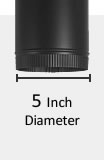
5 Inch Stove Pipe
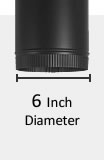
6 Inch Stove Pipe
6 Inch Single Wall Duravent Stove Pipe
6 Inch Stainless Steel Stove Pipe
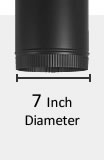
7 Inch Stove Pipe
7 Inch Single Wall Duravent Stove Pipe
7 Inch Stove Pipe 22 Gauge
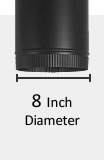
8 Inch Stove Pipe
8 Inch Single Wall Duravent Stove Pipe
8 Inch Stove Pipe 22 Gauge
8 Inch Stainless Steel Stove Pipe
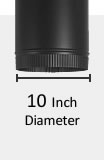
10 Inch Stove Pipe
(sorted by diameter)
For connecting a stove to a chimney outlet—reduces clearance to combustible walls
6 Inch Double Wall Stove Pipe Duravent
6 Inch Double Wall Stove Pipe Selkirk
8 Inch Double Wall Stove Pipe Duravent
8 Inch Double Wall Stove Pipe Selkirk
 The single and double wall
stovepipe difference (click here)
(sorted by diameter)
For passing through walls and ceilings and for exterior use
5 Inch DuraTech Factory Built Solid Pack Chimney Pipe
6 Inch DuraTech Galvalume Factory Built Solid Pack Chimney Pipe
6 Inch DuraTech Stainless Factory Built Solid Pack Chimney Pipe
Selkirk 6 Inch Chimney Pipe Ultra Temp
7 Inch DuraTech Factory Built Solid Pack Chimney Pipe
8 Inch DuraTech Galvalume Factory Built Solid Pack Chimney Pipe
8 Inch DuraTech Stainless Factory Built Solid Pack Chimney Pipe
Selkirk Chimney Pipe 8 Inch (Ultra-Temp / Sure-Temp Compatible)

Need Black Pellet Stove Pipe?
Look at our pellet
stove pipe page.
Stove pipe is sheet metal pipe that connects stoves to chimney inlets. To reduce fire potential single wall stove pipe should maintain a minimum of 18" clearance from all combustable materials. Premium Black Double Wall Stove Pipe is ideal for close installations where there is less than 18" clearance from combustible materials. This type of stove pipe provides the maximum protection for your walls and ceilings. Double wall pipe will also last many times longer than traditional single wall stove pipe.
When to Replace Stove Pipe or Chimney Pipe
Wood stoves and fireplaces rely on stovepipe and chimney pipe to safely carry smoke and exhaust gases out of the home. Because these components operate in a hot, corrosive environment, they slowly wear out over time. Knowing when to replace stove pipe is an important part of safe wood stove maintenance.
Heat, moisture, creosote acids, and repeated heating cycles can all weaken stovepipe metal. Over time the pipe may rust, thin, or develop holes that allow smoke or heat to escape. Regular inspection helps catch these problems early so damaged sections can be replaced before they become a safety hazard.
How Long Does Stove Pipe Last?
The lifespan of stovepipe depends on the type of pipe used and how often the stove is burned.
• Single-wall stove pipe: typically lasts 5–10 years• Double-wall stove pipe: often lasts 10–20 years
• Stainless steel chimney pipe: commonly lasts 15–25 years or longer
Heavy daily wood burning, high humidity, and creosote buildup can shorten the life of stovepipe. Homes that rely on wood heat throughout winter may need to replace stovepipe sections more frequently.
Signs Your Stove Pipe Needs Replacement
During annual chimney inspection, look for these common warning signs:
• Rust or corrosion forming on the pipe surface• Flaking metal or pitted areas
• Soft or thin spots in the metal
• Smoke leaking from seams or joints
• Pinholes or visible holes in the pipe
• Warped or buckled pipe sections from overheating
If any of these issues appear, the safest solution is usually replacing the affected pipe section. A damaged stovepipe can allow heat or smoke to escape and increase the risk of chimney fires.
Is Rusty Stove Pipe Dangerous?
Light surface rust is common and can sometimes be cleaned and painted with high-temperature stove paint. However, deep rust or corrosion indicates that the metal has begun to thin. Thin metal can eventually develop holes or weak spots that allow exhaust gases to leak into the room.
If rust has created rough, flaky, or soft areas in the pipe, replacing the stovepipe is the safest option.
Chimney Pipe Replacement Signs
Chimney systems can also wear out over time. Signs that chimney pipe or liners may need replacement include:
• Loose or separating chimney sections• Rust inside insulated chimney pipe
• Cracked chimney liners
• Water leaks entering the chimney system
• Visible creosote damage or corrosion
A properly functioning chimney pipe system is essential for safe draft and proper stove operation.
Annual Inspection Helps Prevent Problems
Experts recommend inspecting chimneys and stovepipe at least once per year. During inspection check for creosote buildup, rust, loose connections, and signs of overheating. Catching these issues early often allows small sections of stovepipe to be replaced before larger chimney repairs become necessary.
Stove pipe systems should also be inspected regularly for creosote buildup. Using a creosote remover and brushing the chimney with chimney brushes helps maintain proper draft and chimney safety.
Maintaining your chimney system with regular inspection, proper burning practices, and routine cleaning helps extend the life of stovepipe and keeps your wood heating system operating safely.
Wood Stove Pipe Knowledge Base
Stove Pipe Installation
Stovepipe connects the stove to the chimney. It is typically single walled and is available in several lengths and shapes.
-
• How much stove pipe? • You must determine how much stovepipe you need. Measure the distance to the from where your stove will sit on the floor to the chimney opening in a wall or a ceiling. If the chimney opening is in a wall measure from the floor to the top of the opening and then measure the diameter of the hole.
• Subtract the 28 inches from the floor to ceiling measurement to accommodate the height of your stove. For rear venting stoves this is the height from floor to the top of the elbow off the back of the stove. The number you figured is the length of stovepipe you need.
• You will also need to know that a 90 degree elbow is about 8 inches tall and for each section of pipe you must subtract two inches from the length. Since each piece of pipe overlaps the installation of a pipe length is two inches less than when purchased.
• Which end is up? • All stove pipe has a crimped end (male) and a non-crimped end (female). For straight pieces the end that has predrilled holes is the non-crimped female end. Stove pipe is designed so the male end always points towards the stove. Any condensation and build up inside the pipe will flow harmlessly back to the stove, rather than leak out into your home.
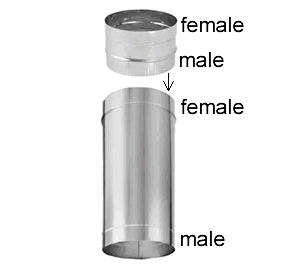
• In practice connecting two pipes together is a tight fit, but this is intentionally done for saftey. Check to see that both ends are truly round. If they are not you may need a friend or rubber mallet to help squeeze the pipes together. When the pipes are connected, used the predrilled holes as a guide to drill a 1/8 inch hole in the crimped end of the mating pair and secure with the four screws.
• Stove Pipe Clearance • For all single wall stove pipe the minimum clearance to combustible material is 18 inches. The minimum clearance may be reduced by 50% to 9 inches if suitable heat shielding is installed on the pipe or on the combustible material. We offer single wall stove pipe in 24 and 22 gauge. The lower the gauge the more durable the pipe is. Duravent stove pipe reduces wall clearances to 6 inches and ceiling clearances to 8 inches. Selkirk stove pipe reduces stove pipe clearances to 6 inches for walls and ceilings.
Other Questions About Stove Pipe
1. How do I determine
what size stove pipe I need?
2. What's
the difference between single wall and double wall stove
pipe?
3. Should stove
pipe be installed with the male end up or down?
4. What do gauges in stovepipe stand for?
A Few Words To The Wise
1. Stick with one brand of stovepipe for connecting woodstoves to chimney.
This ensures the most secure stovepipe connection. Learn
why a good stovepipe connection is so important.
2. For most stovepipes 3 screws are required to fit each
pipe connection tightly
3. New stovepipe and woodstove instalations may smoke a
little and emit an odor when first used. This is normal
curing of the paint on the pipe. Allow ventalation of an
open a window or door to allow the smoke and fumes to escape
during the beginning of your first wood burning stove fire.
Wood Stove & Chimney Maintenance Resources
Keeping your wood stove and chimney system clean and properly maintained helps improve heating efficiency and reduces the risk of chimney fires. Explore these helpful guides and product categories for maintaining your stove, chimney, and venting system.
• Creosote Removers – Reduce creosote buildup and help maintain a cleaner chimney flue.• Chimney Brushes – Choose the right chimney cleaning system and extension rods for scrubbing your chimney.
• Rotary Chimney Cleaning Systems – Drill-powered chimney cleaning tools that spin flexible cleaning heads through the flue.
• Wood Stove Cement & Refractory Mortar – Seal stove joints, repair firebrick, and secure stove pipe connections.
• High Heat Sealants – Flexible sealing solutions for stovepipe joints and chimney installations.
• Stove Polish – Restore and protect the finish of cast iron wood stoves.
• Fire Starters – Start fires quickly and easily in wood stoves and fireplaces.
• Stove Pipe – Black connector pipe used between the stove and chimney system.
• Chimney Pipe – Insulated chimney pipe for safely venting wood stoves through walls and roofs.
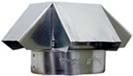
• Chimney Caps – Protect chimney systems from rain, animals, and debris.

